Why Regular Gutter Cleaning Protects Your Home Foundation
A home represents one of the largest financial investments most people will ever make. While homeowners routinely invest in interior renovations, energy upgrades, and landscaping, essential exterior drainage systems often remain out of sight and out of mind until structural trouble appears. Among all property maintenance tasks, routine gutter cleaning stands out as one of the most cost-effective methods for preserving the structural integrity of your building footings. In Melbourne, where unique soil conditions and volatile weather systems collide, an unmaintained roof plumbing network can swiftly turn into thousands of dollars in foundation repair costs.
When gutters fill with leaf matter, twigs, moss, and airborne silt, their hydraulic capacity plummets. Instead of directing roof runoff away from the property via downpipes and stormwater mains, obstructed gutters cause concentrated sheets of water to spill directly beside external walls. Over weeks and months, this localized water discharge alters the ground beneath the house, paving the way for foundation cracking, slab movement, and severe moisture ingress.
The Direct Link Between Roof Drainage and Foundation Stability
The fundamental objective of any roof drainage system is water displacement. A typical roof shedding rainwater must displace thousands of litres during a single storm. When this volume is managed effectively, it discharges into designated drainage points well away from the house footings. However, when gutters clog, that immense volume cascades directly over the gutter lip onto the perimeter perimeter soils.
This localized saturation triggers hydrostatic pressure against foundation walls and slabs. As water accumulates along the footings, it searches for the path of least resistance. Water can seep beneath concrete slabs, pool inside crawlspaces, and erode the stabilizing soil profile that holds footing beams in place. Over time, the sub-base soil softens and loses its load-bearing capacity. Consequently, the concrete footing begins to settle or sink in the saturated area while remaining firm in dry areas, a destructive engineering phenomenon known as differential settlement.
Melbourne Soil Profiles and the Risk of Differential Settlement
Melbourne presents a distinct geological challenge for homeowners. Large swaths of Greater Melbourne—from the western basalt plains through the northern growth corridors and into the eastern suburbs—feature highly reactive clay soils. Under standard engineering classifications (such as Class M, H1, H2, and E footings defined in Australian building standards), these soils expand substantially when wet and shrink when dry.

When clean gutters channel storm runoff appropriately, moisture levels in the reactive clay perimeter remain relatively balanced. However, an overflowing gutter caused by neglected maintenance creates severe, localized soil expansion on one side of a residence. As the clay absorbs excess runoff from blocked channels, it swells with immense upward and lateral force. When dry weather returns, that same clay shrinks dramatically. This relentless cycle of localized heaving and shrinking inevitably forces concrete footings and brickwork to crack, shift, and distort.
Early Warning Signs of Foundation Distress from Water Ingress
Foundation problems rarely happen overnight; they announce themselves through gradual structural indicators around the property. Homeowners who monitor these warnings can address drainage failures before structural damage demands underpinning.
- Diagonal brickwork cracking: "Stair-step" cracks running through the mortar of external brick veneer walls often indicate that the footing underneath is subsiding due to waterlogged soil.
- Interior drywall and cornicing gaps: Fine hairline splits above interior door frames or separations between the wall plaster and ceiling cornices signal frame movement.
- Jammed windows and doors: When foundations settle unevenly, door frames and window tracks distort from square, causing doors to stick, drag, or fail to latch properly.
- Subfloor mustiness and dampness: For homes on stumps or piers, excessive moisture under the house encourages mold, rots bearer beams, and attracts subterranean termites seeking damp timber.
- Pooling water against the apron slab: Visible water accumulation or washaway trenches along garden beds directly below the roofline after rain confirms gutter overflow.
The Broader Roof Ecosystem: Moss, Silt, and Debris Accumulation
Gutter blockages do not happen in isolation. The condition of the roof surface directly dictates how quickly gutters fill with debris. Melbourne's frequent transitions between damp winters and warm summers promote moss, algae, and lichen https://keeganahek567.overblog.fr/2026/10/how-moss-and-lichen-damage-clay-tiles-on-melbourne-roofs.html proliferation, especially on south-facing roof slopes and properties shaded by native eucalyptus trees.
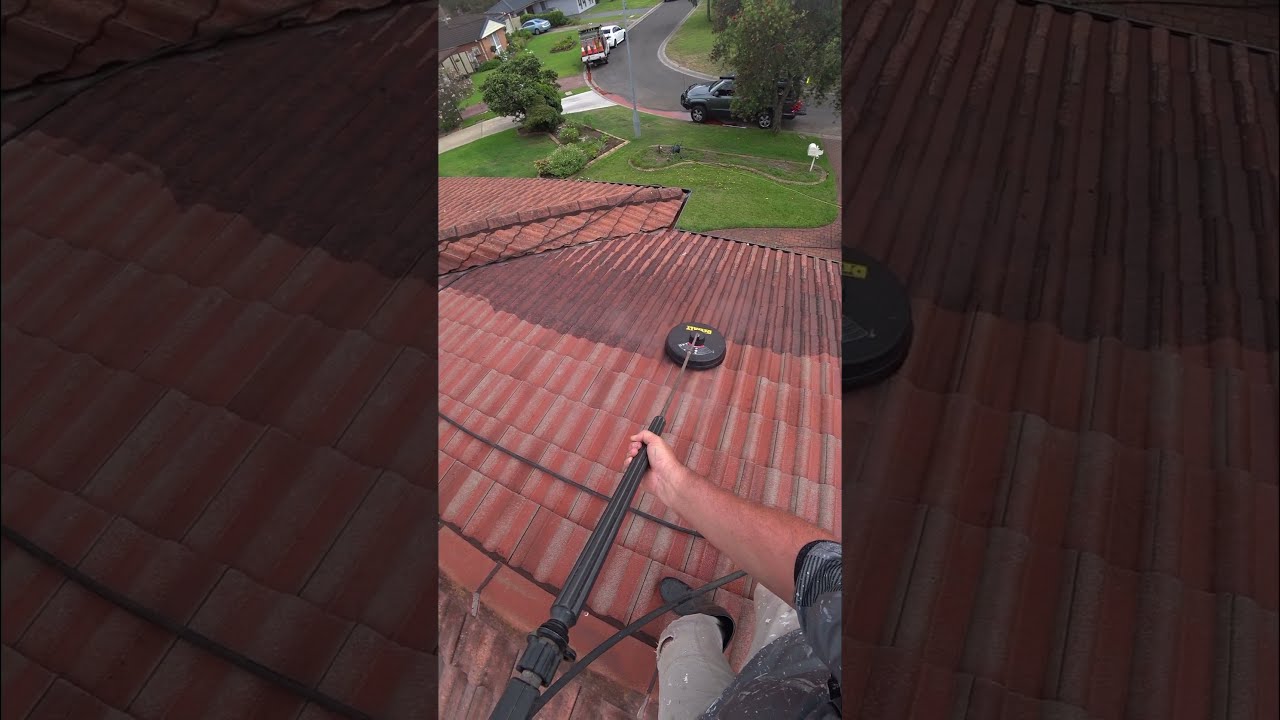
Tile roofs present specific challenges. Porous concrete and terracotta tiles collect biological growth that breaks down into granular sludge. This silt washes downward into valleys and gutter runs, forming a dense, heavy layer that ordinary rainfall cannot flush away. Implementing professional tile roof cleaning removes this biological buildup at the source, preventing roof silt from compounding your gutter problems. Similarly, homes with contemporary sheeting require targeted colorbond roof cleaning to strip away settled organic matter, tree sap, and environmental dust that progressively washes into the downpipe system.

A comprehensive approach to exterior maintenance frequently combines thorough gutter clearance with scheduled roof washing and structural maintenance. Engaging in routine metal roof cleaning preserves protective factory coatings, prevents localized rust at fixing points, and ensures water flows cleanly without snagging leaves on accumulated surface dirt. Furthermore, modern properties equipped with renewable energy systems can benefit from coordinated solar panel cleaning, which not only maximizes photovoltaic output but also stops leaf debris from nesting underneath panels and tumbling into gutters during windstorms.
Preventative Maintenance Strategies for Long-Term Protection
Relying on reactive repairs after noticing a water issue inside the home is an expensive gamble. Establishing a systematic preventative maintenance plan is the most reliable way to protect property footings from moisture-related movement.
- Schedule bi-annual inspections: Perform full gutter clearances at least twice a year—once in late autumn after deciduous trees shed their canopy, and again in spring to clear storm debris before heavy summer downpours hit.
- Maintain roof surfaces holistically: Combine gutter sweeps with complete roof cleaning to eliminate lichen and moss before they dislodge into the internal downpipe junctions.
- Inspect downpipes and stormwater pits: Clear gutter outlets using high-flow water testing to confirm underground drains are free from root ingress and silt compaction.
- Manage surrounding vegetation: Trim back tree branches overhanging rooflines by at least two meters to minimize organic drop and deter wildlife from disturbing roof materials.
- Ensure positive perimeter grading: Check that garden beds, pathways, and turf slopes channel surface water away from the external walls rather than letting it sit against the base of the brickwork.
Financial Consequences: Gutter Maintenance Versus Structural Repairs
The cost disparity between preventative roof and gutter care and structural foundation repair is immense. In 2026, standard gutter clearing and routine roof washes represent modest, predictable home maintenance line items. In contrast, remedying structural movement caused by foundation compromise requires heavy civil engineering interventions.
Underpinning a sinking concrete slab or restumping an unstable timber-framed home can easily demand tens of thousands of dollars. Beyond direct underpinning costs, homeowners must absorb the expense of re-plastering, brickwork repointing, repairing cracked subterranean plumbing lines, and repainting misaligned rooms. Insurance policies routinely exclude damage resulting from inadequate maintenance, meaning structural degradation caused by chronically blocked gutters is typically paid entirely out-of-pocket by the property owner.
Safeguard Your Property from the Top Down
Protecting the foundation of your home begins at the roofline. By keeping gutters clean, unblocked, and free from continuous organic silt, you maintain full control over where stormwater travels. Paired with regular roof inspections and cleaning treatments, scheduled gutter maintenance prevents soil saturation, respects the temperamental nature of Melbourne's reactive soils, and preserves the long-term structural integrity and market value of your residence for years to come.
Melbourne Roof Cleaning Pros
2/19 Chandos St, Cheltenham VIC 3192
ph. (03) 4514 5137